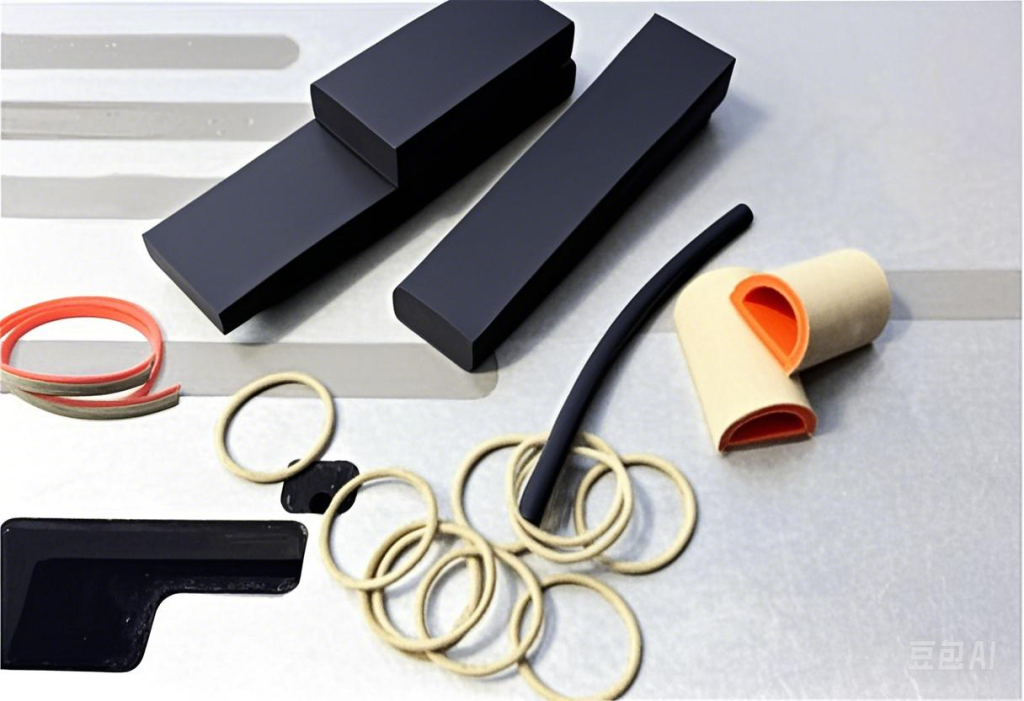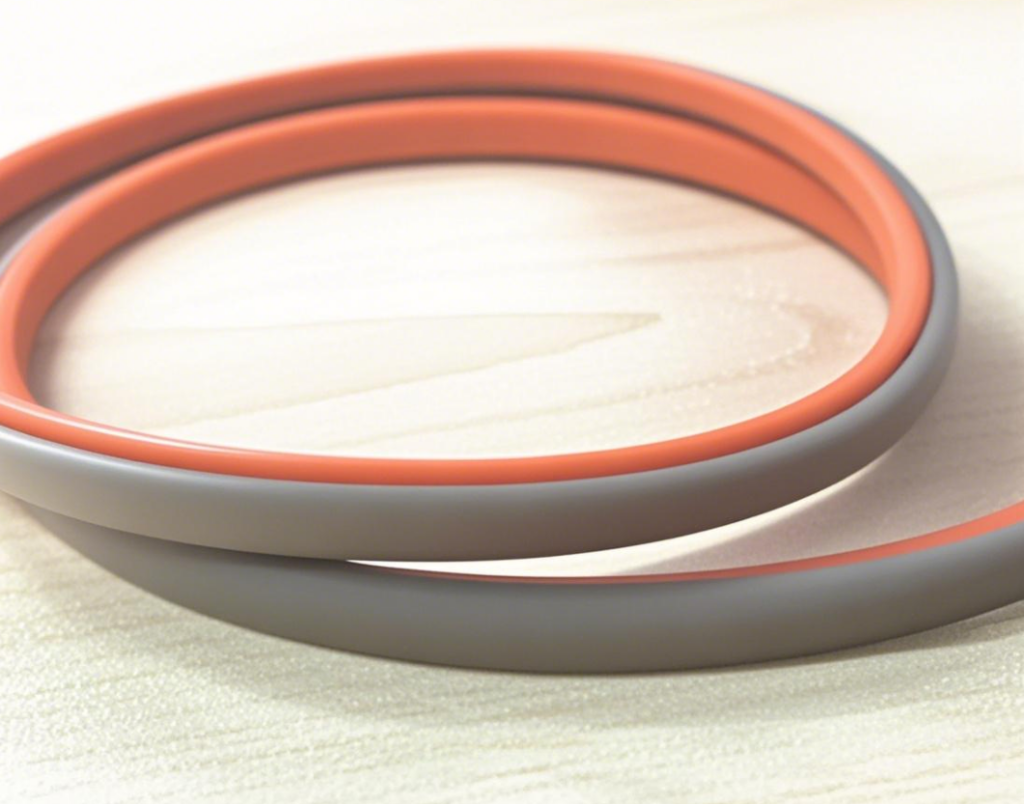
Launching the herein treatise features explanations touching on PDMS coupled with conductive silver-loaded elastomer pads with regard to radio frequency interference defense.
Siloxane elastomer compounds are widely implemented across pliant applications as a result of their outstanding robustness and physical tolerance. Nevertheless, their intrinsic insufficiency of current carriage restricts the utility in specific device-oriented functions.
The integration of electron flow supporting microscopic fillers, especially silver-enhanced embedded among the polydimethylsiloxane matrix, constructs a harmonious effect facilitating a conductive path system able to efficient radio frequency shielding.
These frameworks PDMS facilitate apparatuses to withstand interfering electromagnetic pollution.
Sealing Electrical Segments: This Task of Polymers and Electron-carrying Seals
Robust sealing of electrical elements is critical in extreme scenarios. PDMS, with its notable flexibility and substance persistence, extends outstanding humidity safeguard characteristics. Nonetheless in systems involving electron flow enabled performance, electronically active closures, often fabricated from shielding substances, function as necessary to eliminate radio frequency clutter and confirm trustworthy performance. The integration of Siloxane combined with current conducting gaskets offers a adaptable strategy aimed at maintaining firm output in up-to-date electronics.
Electromagnetic Protection Membranes: Enhancing Efficiency via Charge carrying Silver composite Elastomer in conjunction with silicone base
{Consistent electrical static mitigation pads act as imperative for covering sensitive technological machinery and networks from unwanted dispersed carried noise. Modern designs often incorporate a composite of conductive Silicone Silicone sheet and Siloxane elastomer to ensure optimal capability. Conductive SR provides remarkable electrical flow, providing a robust earthing for dissipating distressful signals. Meanwhile, PDMS offers distinguished flexibility, shape retention, and ambient resistance. Systematic material identification and lamination techniques, such as a thin layer of SR within a PDMS matrix, increase both shielding functionality and sustained reliability.
- Contemplate alternative material blends contingent on implementation needs
- Affirm appropriate closure strain for constant contact
- Examine closures routinely to validate efficiency
This synergistic framework generates in EMI seals that ensure unequalled protection and permanence.
Silicone polymer Metallic SR Barriers: Shielding Electronics from Invasion
Focusing on high-precision technological components, RFI disruption has potential to be undesirable effects, resulting towards failures besides information distortion. Silicone elastomer electron-conducting silver-infused rubber closures provide effective reliable strategy applying delivering advanced effective protection in the face of these interventions. Alike seals, regularly assembled with silicone base mixture embedded with electroconductive particles, build optimized low electrical resistance route into return path, dissipating EMC including radiation band disturbance radiation. Those elastic design provides unique strong protection mainly on irregular interfaces, forming them fit intended for tasks in healthcare apparatus, data transmission installations, coupled with assorted technical conditions. Leveraging a PDMS metallic silver-infused rubber membrane serves as the anticipatory action towards sustain device stability as well as ensure operational consistency.
Tuning System Module Covering with Siloxane Elastomer-Based Electrical Noise Reduction
Reliable digital part sealing presents a central complication in cutting-edge planning due to rising radio interference. Silicone brings a promising solution when linked with charge-carrying substances to build robust EMI attenuation films. This process not only amplifies instrument efficiency but also reduces resulting threat of degradation originating from outside RFI threats.
Electroconductive SR Augmentation in PDMS Gaskets for High-Performance EMI Defense
Leading interfaces fabricated from polydimethylsiloxane (PDMS), incorporating current conducting fillers, present significantly improved defense quality against electromagnetic interference (EMI). The inclusion of agents like graphene-based nanotubes or nickel flakes provides a passage for electron flow transfer, thereby creating a more solid electromagnetic barrier. This charge-transporting enhancement in gasket capacity is critical for critical electronic modules requiring exceptional EMI blocking in various applications. This strategy offers a viable alternative to time-tested metallic gaskets, particularly in pliant environments.
Evaluating the Right EMI Blocking Gasket: PDMS vs. Conductive SR Variants
Choosing fitting wireless protection interfaces requires meticulous review of several parameters. Typically, metallic Silicone Rubber (Silicone elastomer) has been a typical variant; however, Poly Silicone polymer (Polymer silicone) emerges as a workable choice, primarily where compression levels are limited or substance matching is indispensable. Silicone elastomer presents better elasticity and has the ability to withstand tighter allowances, although sustaining notable reduction performance.
Innovative Protection Approaches: Silicone elastomers, Electron flow enabling SR, and Electronic devices Shielding
Superior shielding approaches are steadily important for defending valuable circuit modules. silicone compound, with its distinguished softness and molecular withstanding, furnishes remarkable surrounding obstacles. Besides, electronically active silicone compound facilitates electrical discharge, preventing electrostatic accident cases. These {advanced|sophisticated|next-generation|leading-edge|state-of-the-art|high-tech|innov