Across the expanse of historic epochs,
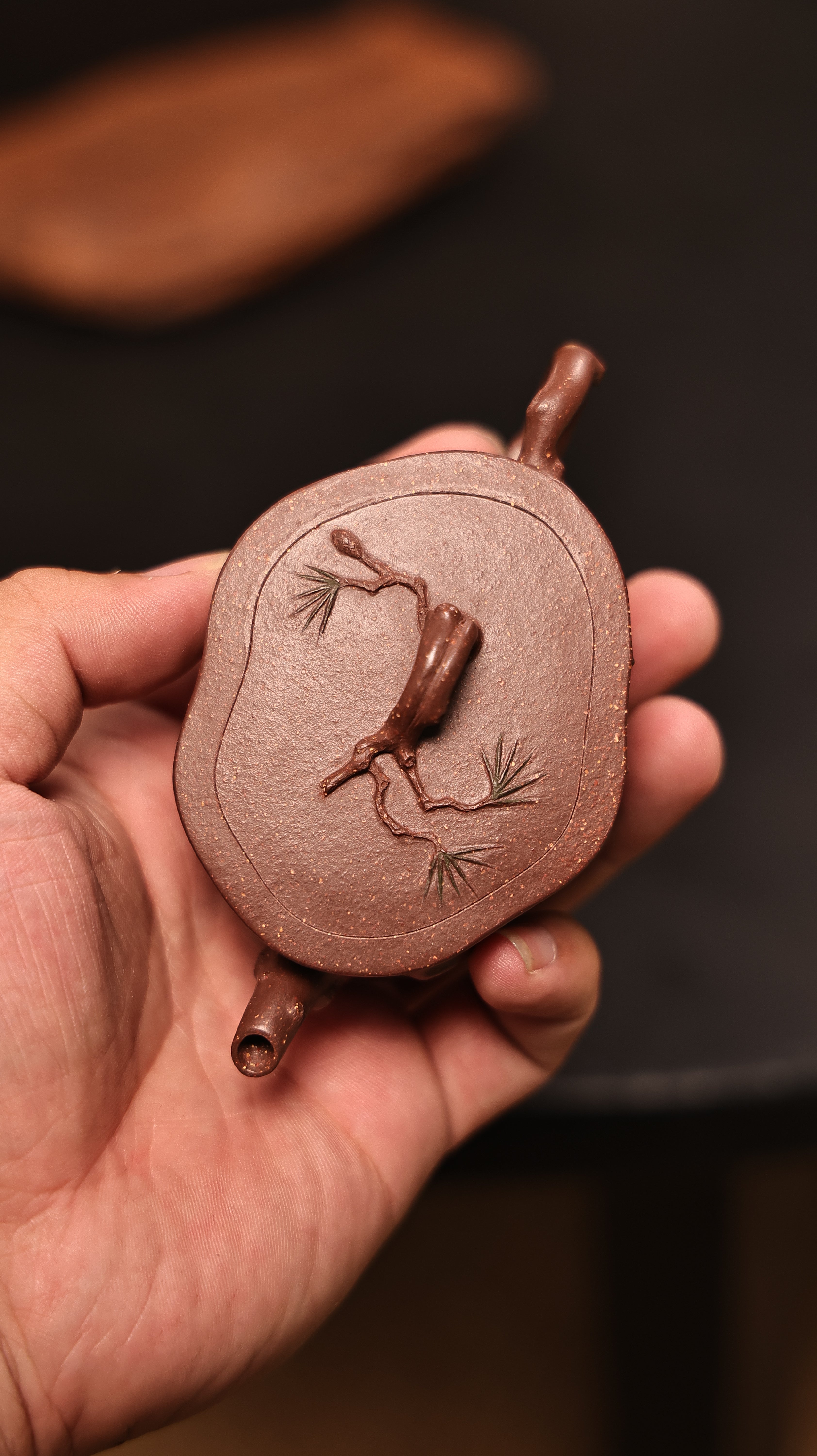
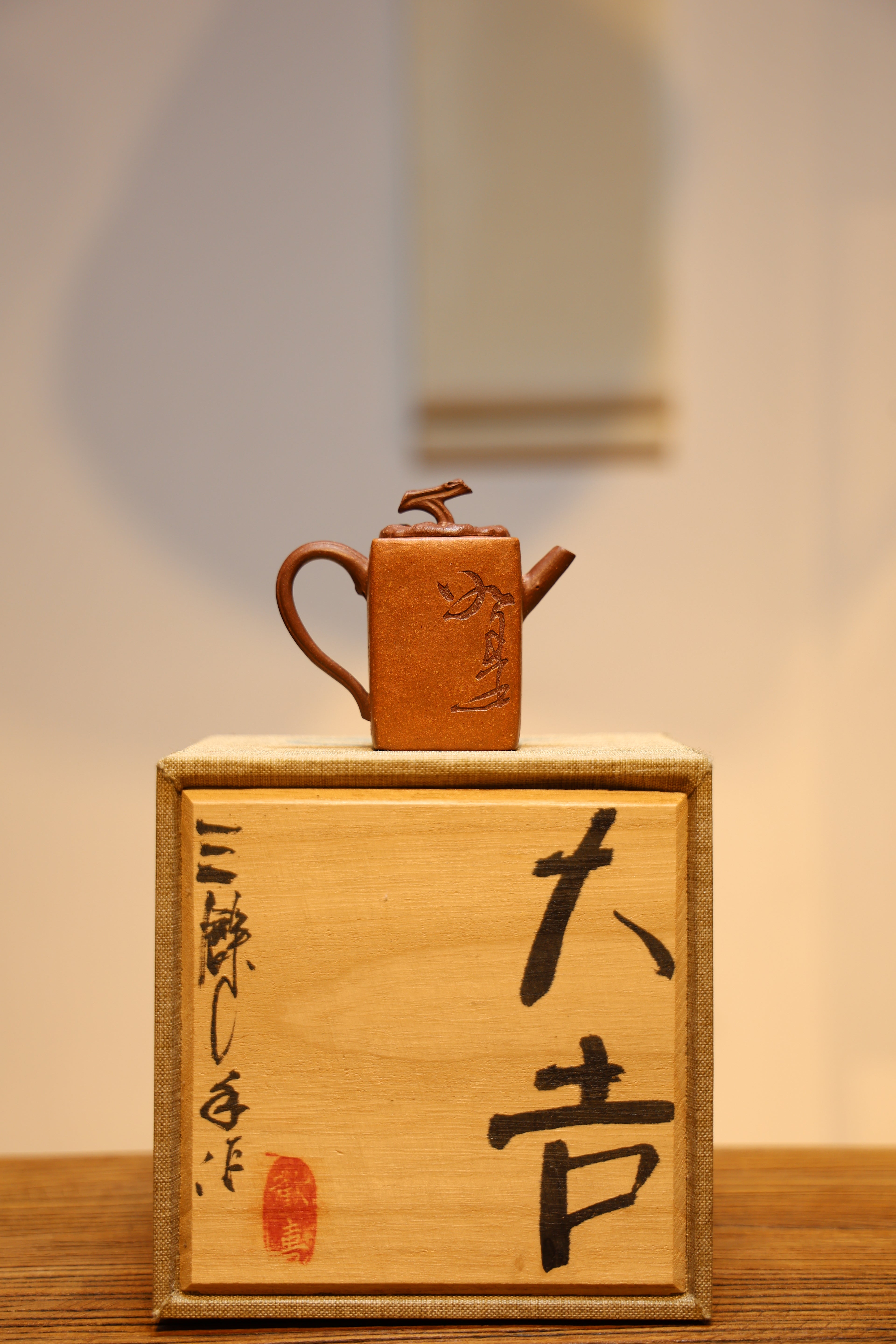
Amidst generations, collectors have been enchanted by the extraordinary charm of Yixing Zisha pitchers. Originating from the realm of Yixing in the region of Jiangsu, these containers are renowned for their illustrious beauty, rare clay, and intrinsic ability to perfect the savor of the drink. The substrate's distinctive burgundy hue, combined with the adept manufacture of provincial builders, creates works that are jointly functional objects and treasured financial interests. Securing a Zisha teapot is more than just specific purchase; it's seizing a rich ancestral heritage.
Investigating Yixing Teapots: Ancestry, Forms, and Merit
The notable Yixing teapots stand as a profound past deeply intertwined with Chinese culture. Stemming in the Yixing region of Jiangsu province, these clay vessels possess a heritage stretching back to the Ming Dynasty. Early examples were functional, but throughout centuries, Yixing teapot forging evolved into an esteemed art form. The clay itself, known for its unique composition and ability to augment the flavor of the tea, stays a defining factor. Yixing teapots emerge in various forms, broadly categorized by shape: Classic such as Zhuni (purple clay) and Bisheng, as well as refined designs. The esteem of a Yixing teapot varies on several factors, including the potter’s fame, the age of the piece, the rarity of the clay, and its aesthetic appeal.- Account: Ancient times
- Substance: Bisheng
- Value Factors: Uniqueness
Zisha Pot Excellence: Skills and Artisans
This assembly of a legitimate Zisha teapot is a intricate process, requiring decades of knowledge. Accomplished artisans meticulously gather the best Zisha clay, a distinctive earth found only in specific regions of China. Classic techniques, often conveyed through families, involve precise shaping, fine carving, and gradual firing in ancient incinerators. The ultimate teapot isn't merely a vessel; it's a testament to innovative vision and the profound connection between the artisan and their legacy. Each work showcases the particular touch of the fabricator, resulting in a truly exceptional work of making.
Traditional Artefacts: Understanding the Abundant Institutions of Yixing Area
The Yixing City, established in Jiangsu the region, is universally renowned for its exceptional culinary Yixing Zisha Teapot pots – a tangible representation of centuries of Chinese craftsmanship. These aren't merely vessels for preparing tea; they are intricate works of innovation, often reflecting cultural ideals. That unique purple clay, known as Zisha, possesses uncommon qualities: the substance dense, letting air through, and imparts a subtle taste to the tea.
- Various families have honed the techniques of Yixing ceramic making, passing down time-honored methods through generations.
- Connoisseurs prize these pieces for their attractiveness and rarity.
- Some jar tells a story, connecting the enjoyer to a rich background.
Acquiring Yixing Zisha: Guiding Points
Upon considering acquiring Yixing Zisha ceramics, diverse components demand careful evaluation. Primarily, the substance's complexion is significant; authentic Zisha usually exhibits a characteristic carmine depth. Besides, consider the handiwork; well-defined details and a refined texture imply expert fabrication. To finish, examine the craftsman's credentials; famous names earn enhanced fees and often grant a secure gain.
Zisha Pot Techniques for Tea Brewing
Brewing tasty tea with a Zisha container is more exceeding a simple method; it's an craft. Zisha clay, renowned for its unique mineral composition, imparts a elegant character to the crafted tea that’s often unavailable with other wares. The optimal water warmth is essential; typically, moderated than what's used for black tea, to sustain the tea's odor and note. Consider meticulously the tea variety; delicate green teas or aged pu-erhs benefit from the Zisha’s ability to lessen their primitive edge. It’s vital to rinse the teapot before brewing, and to exclude over-steeping. Mastering this skill leads to a sincerely exceptional tea enjoyment.
- Recognizing Zisha Clay
- Temperature Control & Tea Category
- Criticality of Initial Heating
Preserving Your Yixing Ceramic Pot
With the aim of guarantee the life of your cherished Yixing clay pot, ongoing servicing is vitally required. Avoid using detergent; instead, tenderly clean it with warm aqueous substance. Prevent unexpected changes; refrain position the teapot directly onto a searing area. Periodically, enrich the vessel by filtering it with excellent refined beverage, as this promotes to build its profile and defends the exclusive traits of the dirt.
About Dirt to Container: The Transition of a Yixing Vessel
The creation of a Zisha teapot is a noteworthy mechanism, a expression to both the ecosystem’s bounty and the ability of the specialist. It commences with the thorough extraction of the unique clay from the magenta Zisha mines by Yixing. This unfired material, known for its remarkable essences, is then gradually filtered and organized for the early forming. The jar’s figure is expertly made using a amalgamation of longstanding wheel throwing procedures, often incorporating decorative designs. Following settling, the jar undergoes a indispensable first firing, followed by a coating stage, which might involve several different layers of unprocessed Zisha films. Finally, a second, and sometimes third, firing at intense temperatures perfects the artifact, revealing its definitive beauty and magnificent characteristics - a honest masterpiece, available to enrich a tea event.
{Yixing Teapots: A Manifestation of a Way of Life and Honoring
This Yixing teapots, originating from the celebrated Yixing region of Jiangsu province, are far more than mere pots for brewing brews; they represent a major aspect of Chinese traditions. Constructed from distinctive purple clay – zisha – these uncommon teapots are highly admired for their ability to refine the flavor of the tea and, crucially, for their elegance. The annals of Yixing teapot making spans centuries, and the know-how involved is relayed through generations, making each teapot a cultural artifact that embodies time-honored techniques and a profound appreciation for the simple pleasures in life.