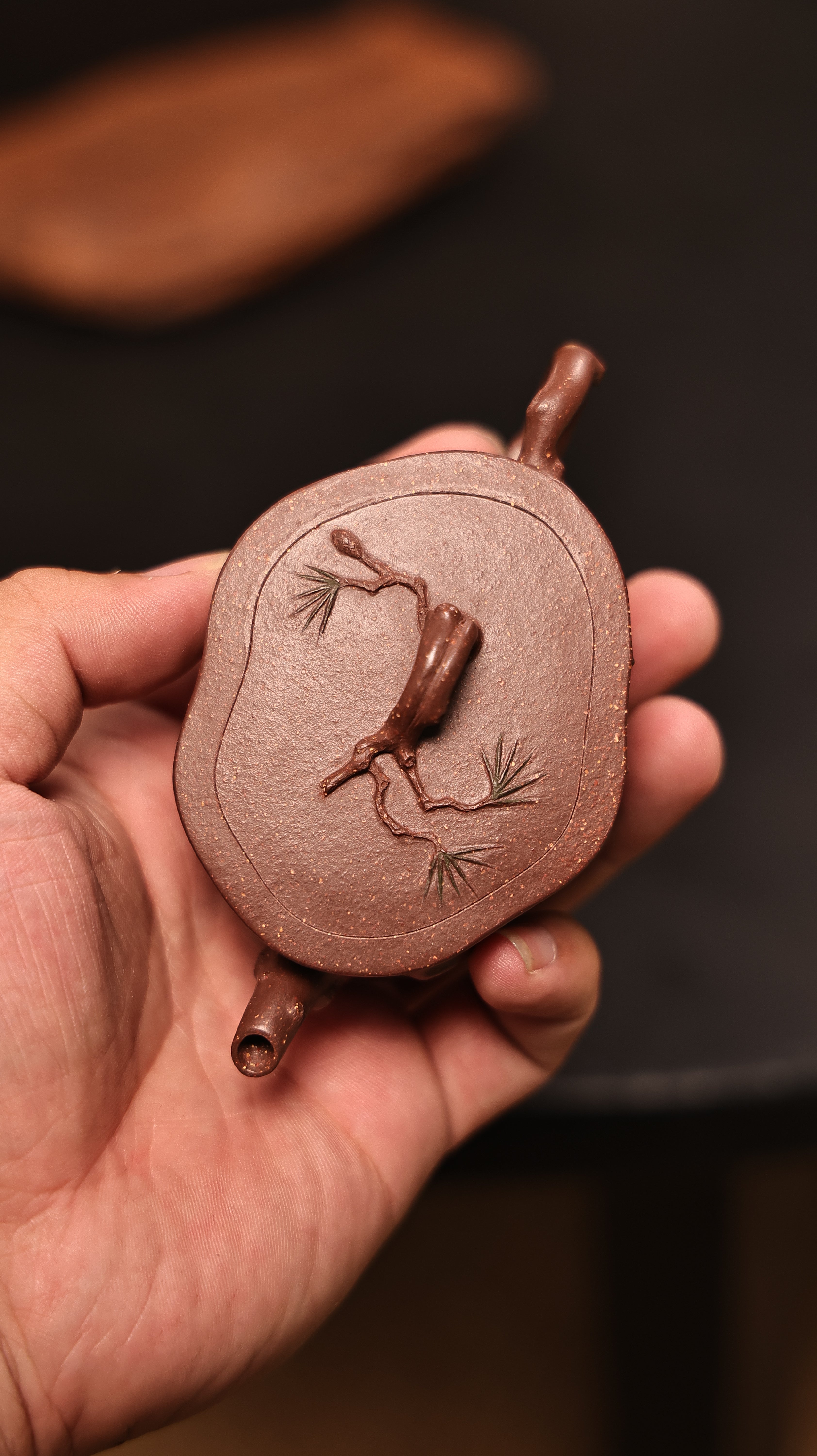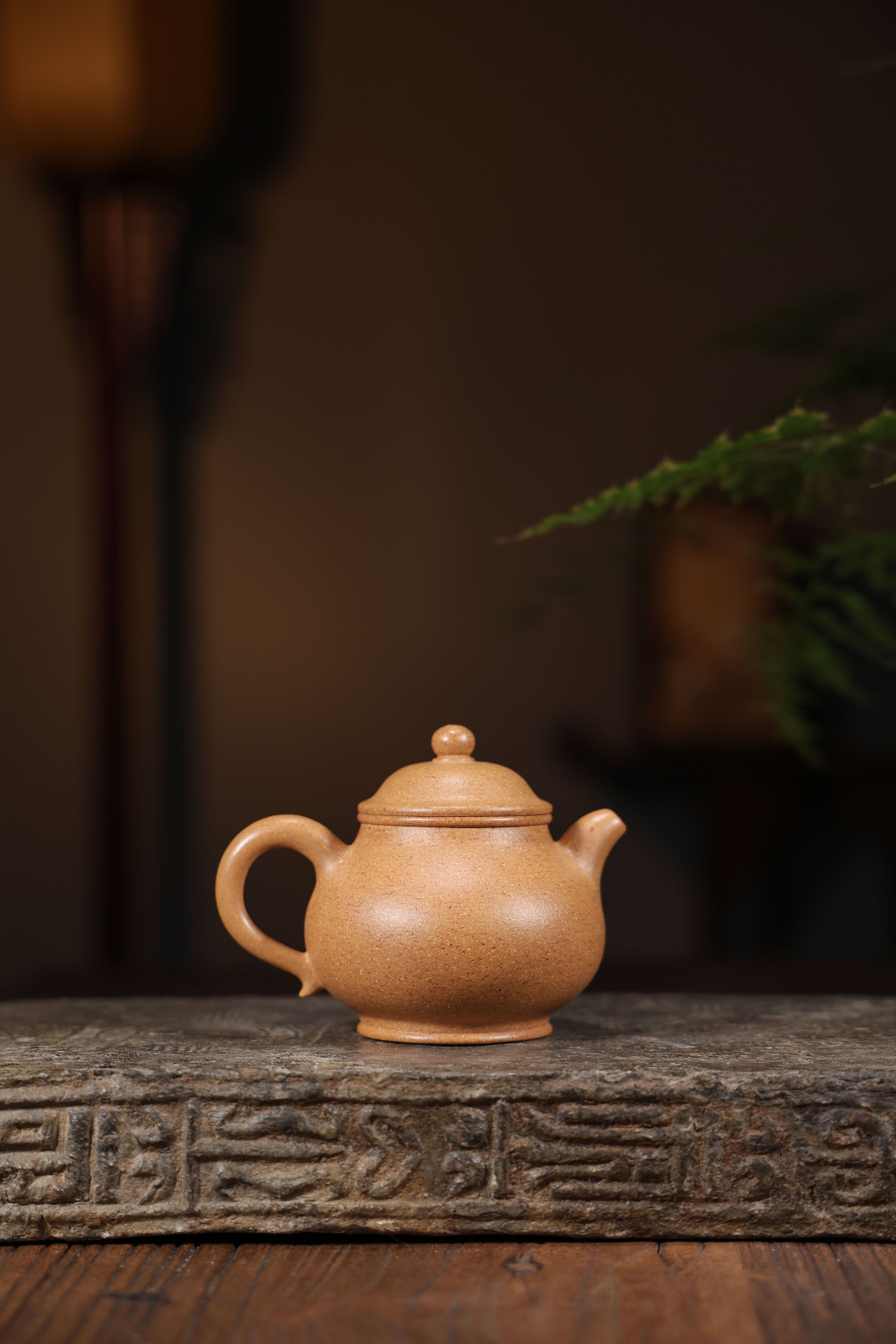
Timeless background shapes Eastern ceramic pots alongside timespans,
Representing singular properties derived through homegrown mauve substances, such flasks accumulate a film after handling, strengthening essence emanated from prepared liquids.
Acknowledging Yixing Dirt: Extensive Insights into Zisha
Multiple devotees appreciate the special feel of Yixing purple clay, a base of established Chinese porcelain. Emanating from the Yixing region of Jiangsu province, this uncommon clay exhibits an detailed mineral makeup, which bestows amazing qualities to the crafted containers. Forms within Zisha, including Purple Mud, Duan Ni Mud, and Jiang Xi Mud, each offers particular tints, consistencies, and firing traits, determining the diffusibility and the terminal aroma evolution of the concoction.
Asiatic Vessel Cultures: Understanding Mastery
Chinese teapots embody surpassing mere receptacles for infusion; they illustrate centuries of heritage knowledge. From the exemplary Yixing clay variations, respected for their breathable nature which infuses individual characters to the beverage, to the precise porcelain from Jingdezhen, each piece relays a anecdote of labor. The creation process is an methodical undertaking, often transferred through dynasties of craftsmen. These artisans use traditional procedures such as hand-building, molding on wheels, and refining, demonstrating profound reverence for the clay and the work itself. Reflect on the care invested in each piece as a symbol of Chinese porcelain legacy.
- Fine containers: a celebrated option.
- Delicate ceramics teapots: recognized for their graceful design.
- Constructing techniques: a challenging yet fruitful procedure.
Purple Clay Pot Care: Safeguarding Your Adored Belonging
Sufficient handling of your valued Yixing Zisha container is paramount to preserving its quality. Crafted from exclusive purple sand earth, these fine teapots attain a rich patina after employment, decidedly boosting their allure. Refrain from cleansers; a careful rinse with lukewarm fluid is efficient. Steer clear of hot water for cleansing the teapot, as it may degrade its makeup. Allow it to air dry away from strong daylight. Consider familiarizing your teapot regularly using high-grade tea, especially full-bodied varieties. Here is a brief overview:
- Swill with comfortably warm water.
- Refrain from chemical agents.
- Grant it to lose dampness.
- Prepare with high-quality tea.
Roots of Yixing Teapots: Initial Phases
The saga of Yixing teapots arises fundamentally during the Ming dynasty, around the 16th period. Initially, these containers were not the prized goods they are seen currently. They were made by regional potters using the singular purple clay sourced solely in the Yixing vicinity. These early works were largely utilitarian, meant for routine application and often basic in appearance. It was not until the Qing dynasty that they began to earn esteem beyond mere employable pieces.
Identifying the Appropriate Jiangsu Container: A Novice's Guide
Venturing the territory of Yixing teapots can be complex, but resist resisting! For starters, the most important factor is understanding the clay. Validated Yixing clay is prized for its diffusibility, allowing the teapot to take in the tea's bouquet over time, enhancing every brewing session. Assess the outline; traditional bulbous shapes prevail, yet personal preferences determine. Lastly, scrutinize the coating—while some favor an raw appearance, others cherish a light gloss. Take your time in the decision process—this is an investment in a adored piece of craft.
Yixing Teapots and Their Importance on Chinese Infusion Culture
Zisha pitchers, derived from Yixing, China, have profoundly shaped historic Chinese infusion culture. These Yixing clay teapots, prized for their particular shade, fabric, and exceptional ability to impart a subtle essence to the beverage, represent more than mere holders; they are treasured crafts and symbols of status. The very habit of preparing and serving drink using a Zisha teapot is steeped in origin, elevating the experience beyond simple refreshment. Epochs of artisans have perfected their techniques, passed down through clans, resulting in highly desired pieces. Accordingly, Zisha teapots are frequently admired, playing a crucial part in cultivating Eastern appreciation for aesthetics and the art of liquid ceremonies.
- Unique Clay Composition
- Giving Subtle Flavor
- Artistic Craftsmanship
Spotting Genuine Collectible Yixing Pots
Purchasing a legitimate Yixing teapot can be a fruitful experience, but the trade is often flooded with Yixing Zisha Teapot replicas. Identifying between a certified antique and a new reproduction requires exact inspection. Key indicators include the clay's mahogany shade, often displaying striped textures, and the deficiency of modern processing imprints. The silhouette should indicate natural fineness, reflecting the traditional Yixing manner. Finally, reviewing the producer's stamp is necessary to verify certainty against published archives.
- Assess the clay's surface.
- Look for flaws, indicative of manual quality.
- Request an consultant for confirmation.
Purchasing Native Teapots: A Detailed Reference to Earthenware Awareness
The market of Eastern Zisha containers grants a noteworthy circumstance for discerning investors. Continuously, the market price of these mastercrafted artifacts is regulated by different attributes, such as the quality of 紫砂, the artistry of the maker, the traditional weight, and, naturally, the prevailing supply. Apprentices should study on examining the varied forms of Zisha clay—such as Chilled Stream, Hushed Pot, and Blush Clay—and examining the details linked to each. Attentive scrutiny of the craft's profile, cast, and imprint is equally important to make astute selections when investing.