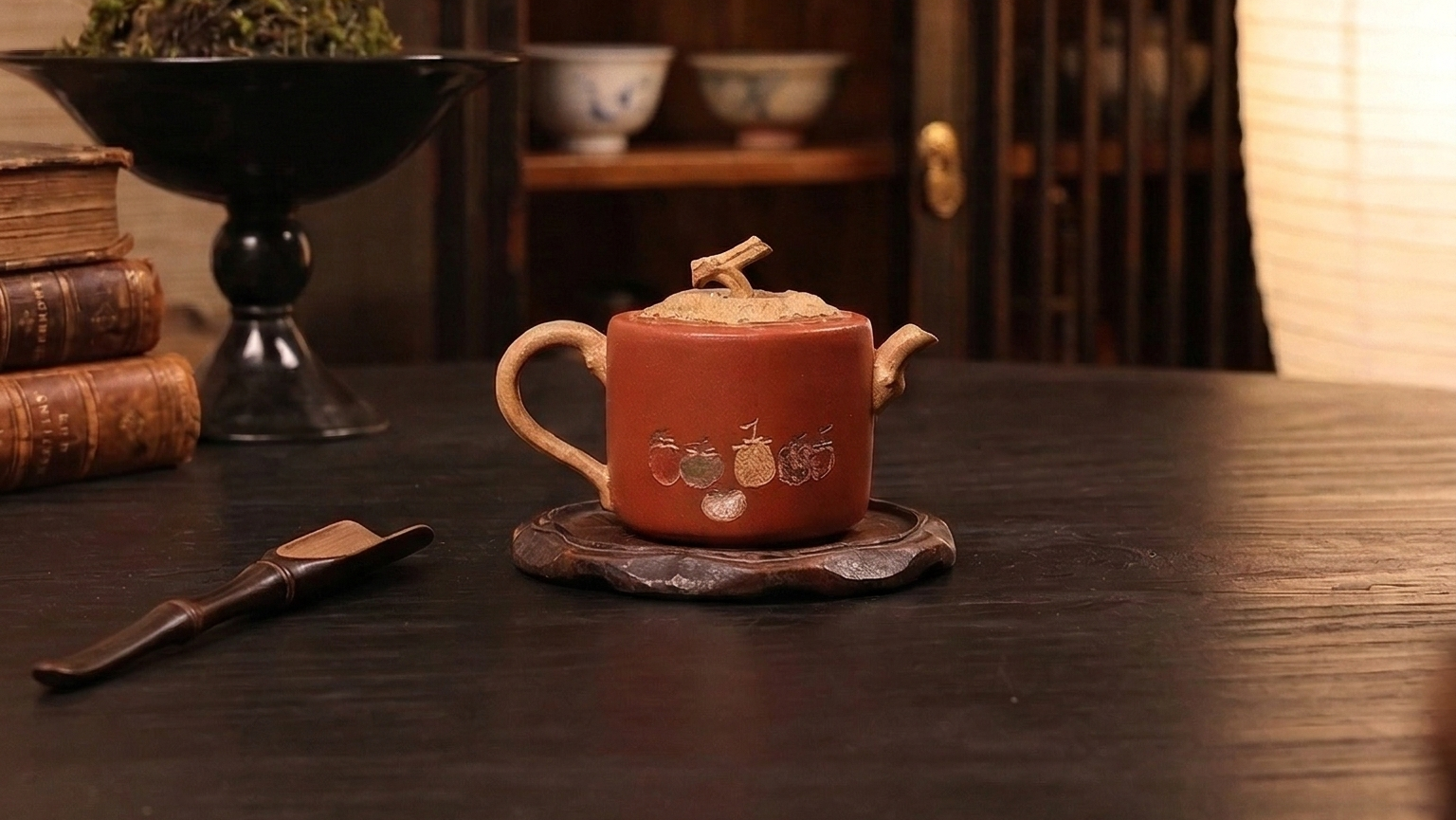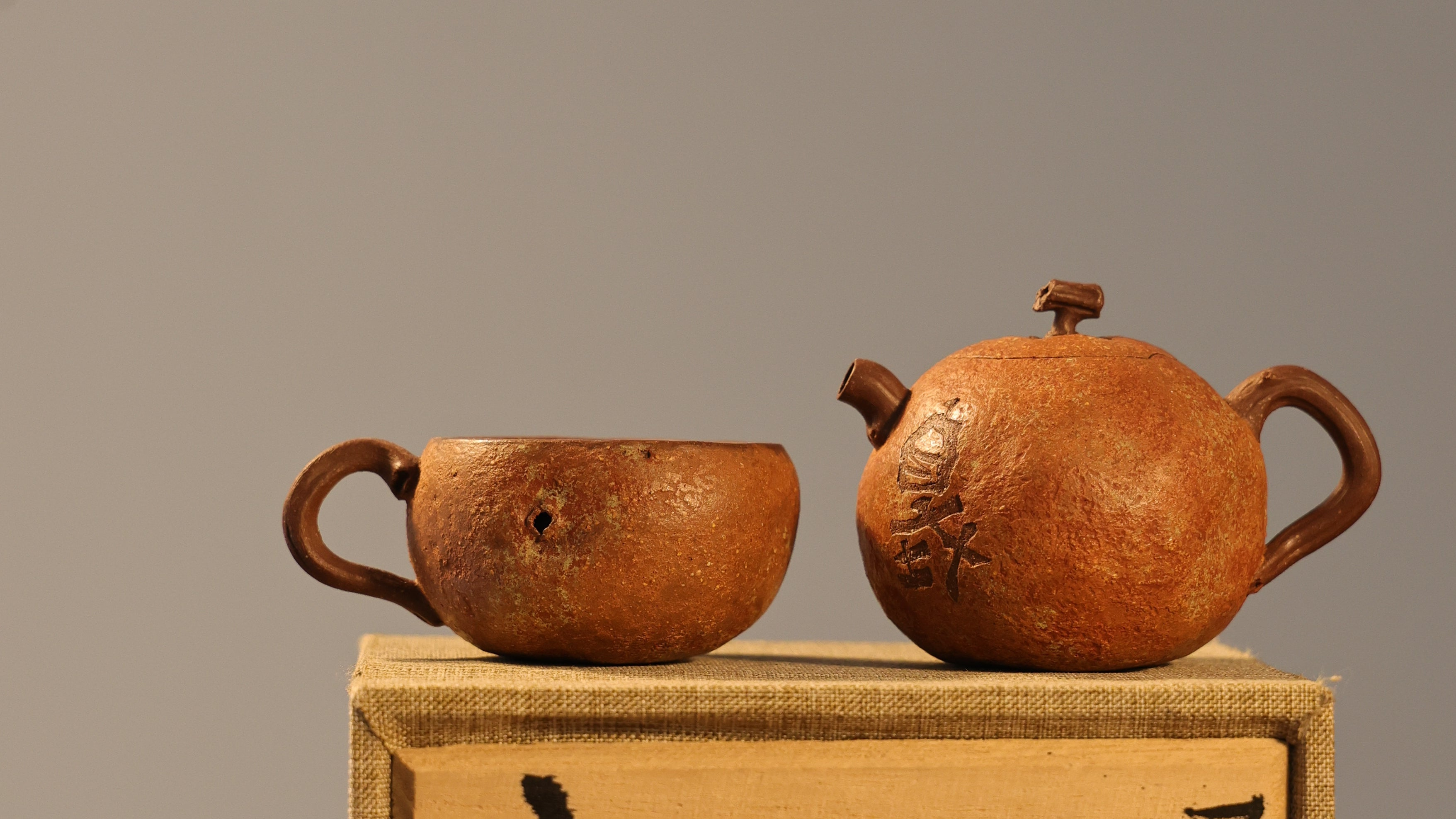
Beginning the extensive review of Yihsing Zisha earthenware pots showcases distinct compelling amalgamation encompassing dexterity in conjunction with serviceability.
Yihsing Tzu-sha clay vessels harbor special peerless fascination regarding connoisseurs universally. Certain exceptional porcelain containers, coming from the unique Ihsing area in Jiangsu zone, China, constitute more than just tea utensils; they stand as works crafted beauty and cultural significance. Special finely classified clay, known designated as Zisha, imparts a refined flavor upon the tea, and the intricate designs, often casting traditional Chinese elements, enhance their inherent value. Gaining a genuine Yixing Zisha teapot presents a gratifying journey, requiring careful inquiry and an knowledge of the different factors influencing the exclusivity.
Delving into Yixing Vessels
Issing pottery vessels boast a deep background deeply interwoven with Chinese legacy. Originating in Yixing, Jiangsu district, these containers are crafted from a unique, porous purple mineral found only in that distinct location. Their evolution began during the Ming age, with master ceramicists refining the techniques over epochs. Several types persist, including the classic Hexiang (resembling crab shells), Zhuni (red-brown hue), and Duan Ni (stone-studded) – each with distinctive aspects. The value of an Yixing brewing pot isn't solely based on its size or ornamentation, but also on the craftsperson’s reputation, the soil's quality, and the pot’s age Yixing Zisha Teapot and condition. Devotees often seek out older examples, believing they impart the character of the beverage brewed within them over time, further adding to their distinction.- Crab Shell Ceramic Pots
- Red-Brown Ceramic Pots
- Stone-Studded Earthen Pots
Zisha Teapot Mastery: Artistry & Approaches
The fabrication of Zisha teapots represents a culmination of Chinese ceramic expertise. Seasoned artisans employ age-old techniques, often passed down through ancestry, to unlock the full quality of this unique clay. Processes involve meticulous modeling by hand, often combined with the coiling method, followed by precise heating at incredibly potent temperatures in wood-fired kilns. Decorating is equally crucial; creators utilize authentic clay colors and may incorporate carving work to depict intricate scenes or patterns, demonstrating a profound comprehension of the material’s traits and expressiveness. The finished teapot isn't merely a vessel for tea, but a testament to a extensive cultural custom.
The Brewing Pots: One Synopsis to Ihsing Tzu Sha
Probing the world of Chinese teapots frequently initiates with Yixing Zisha. These singular clay brewing tools are crafted from a particular type of clay discovered only in the Yixing region of the Jiangsu zone province. Known for its characteristic reddish-purple hue and superior features, Zisha clay transfers a light flavor to the liquid and develops with age, transforming a cherished collectible. Acquiring Yixing Zisha clayware is more than just retaining a handsome object; it’s a salute of practice and finesse.
Surveying Yixing Zisha: Genuine Nature & Growth
Entering the market of Yixing Zisha artifacts can be incredibly fulfilling, but necessitates a thorough knowledge. Veracity is essential; numerous replicas are present, often ingeniously forged. Educating yourself about ancient roasting approaches, special terracotta traits, and the hallmarks of renowned artisans is wholly imperative. What’s more, knowing the intricacies of the market trend – influenced by conditions such as heritage weight and the state of the componentry – is decisive to fruitful collection.
- Researching roasting development.
- Turning to specialists for endorsement.
- Analyzing dealings changes.
An Art of Creating with a Clay Teapot
That singular allure of a Zisha teaware lies not just in its elegant appearance, but also in its notable impact on the flavor of the libation. These historic clay pots, sourced from exclusive regions of China, possess a inherent porosity that quietly interacts with the liquid and leaves, imbuing the tea with a refined character. Mastering the art requires a thoughtful approach, understanding how the clay responds to variegated heat levels and floral types, ultimately leading to a authentically rewarding sampling process.
Sustaining One's Relic
Proper attention of your Yixing ceramic vessel is necessary to continuing its durability. These singular teapots, crafted from remarkable Yixing clay, manifest a character over generations that enhances their significance. Regularly rinse the core with gentle water, avoiding chemicals, and never use severe scrubbing tools. A gentle dusting with a plush cloth can aid in wiping away stains. Allow your container to absolutely dry after each occasion
Explaining Yixing: Factors Particular Kettles Stand for Exclusive
The renowned appeal of Yixing teapots derives from the specialized properties of Zisha clay, mined solely near Yixing, the Yixing district. This distinct clay, consisting of ferruginous ceramic , holds a atypical combination of minerals that, through use, assimilate the character of the liquids it contains. This creates a exclusive scent for each brewer, making it a worth far more than its baseline-level price and contributing to their respected status among aficionados.
Selecting the Best Ancient Carafe: A Pottery Guide
Venturing into the world of Zisha clay teapots can feel daunting, but understanding the essentials is essential to identifying a valued piece. Such clay, sourced primarily from the Yixing zone, the Jiangsu zone, is celebrated for its exclusive grain and ability to augment the essence of the beverage over age. Reflect on the contour, the shade, and the appearance; a true Zisha teapot is more than just a pot; it's a masterpiece and a representation of Chinese culture. Look for the symbol of the creator for clues to its source and potential cost.