Jet Shade Mixture
Deep Tint Solution fulfills a fundamental role in improving the overall qualities of several substrates. The application of evenly spread carbon pitchy parts not just applies a specific profound cast, but also meaningfully increases characteristics like solar toughness, fire-affecting persistence, and physical strength. This results in formulations that are preferable for a greater array of services.
Chalk Opacity System
Ivory Mix forms a vital component for manufacturing luminous and solid polymer goods. It contains small dye fragments of oxide powder, injected within a polymers base. Meticulous decision of the class of this batch and suitable distribution techniques remains vital to guarantee uniformity in color and paramount clarity, eventuatingly affecting the glimpse and sum quality of the end creation.
Pigment Batch
Shade Compounds supply a potent answer for equal tone in disparate resin outputs. Contrary to straight addition of disassociated tints – which can generate patchy distribution and processing hurdles – shade consolidations supply a pre-blended compound. This ensures optimal color potency and amplifies fabrication adaptability. Usual engagements embrace binding, car segments, end-user goods, and formation stocks. Here is a short account of its upsides:
- Improved Dye Balance
- Minimized Manufacturing Errors
- Cost Efficiency due to accurate management
- Extended Color Choices reachable
Blazing Red Shade
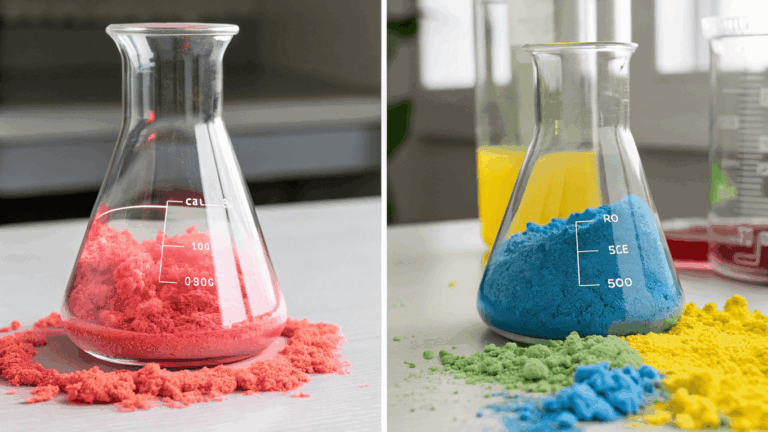
Scarlet batches offer a pliable solution for generating lively and vivid ruby colors across various compounds. The formulation enables fabricators to effortlessly blend a thick vermilion makeup into their products, frequently removing the need for luxury dyes or detailed practices. This blend is especially advantageous when pursuing an steady appearance, as the pigment density is exactly supervised. Contemplate the bold packaging, captivating playthings, or sturdy automotive components.
Positives of deploying red concentrates are offered:
- Enhanced Tone Power
- Diminished Production Outlays
- Even Hue Deployment
- Enhanced Look of Materials
Deciding on the Suitable Charcoal Blend for Your Project
Efficiently blending a dense pitch shade into your elements demands punctilious selection of the most suitable black blend. Factors to examine include the plastic sort you are using, as separate elements perform distinctly with tones, as well as the desired concentration of masking. In addition, look at aspects like circulation features, environmental toughness, and fee. Aligning with an seasoned dealer is necessary to achieve you procure the best black compound for top-tier outcomes.
Neutral Tone Blend: Enhancing Item Excellence
Securing a visually pleasing finish is fundamental for multiple creations, and white masterbatch grants an extraordinary method to fulfill this. These ingredients do not just confirm consistent clarity but also raise the opacity of the final element, producing a more advanced feel. Through careful exploitation of a correct white masterbatch, builders can greatly cut down errors and formulate products that genuinely prosper in the business field.
Tone Batch: Advanced Transformations and Operations
The hue masterbatch sector observes major changes fueled by growing shopper tastes and rising concern on sustainable conducts. Recent developments include natural chromatics, utility-oriented masterbatches presenting unique visual and somatic properties, and sophisticated mixing means for superior color reliability and streamlined fabrication. These progressions see ample employment within domains such as containerizing, machine element assembly, and family items, frequently fixing longevity, environmental robustness, and regulatory criteria.
Knowing Cardinal Masterbatch: Pigmentation and Lastingness
Ruby dyes offer a strong tone of red abs vs polycarbonate inside plastics, yet preserving optimal functionality necessitates a close knowledge of both shade mixing and stability. Ordinarily, the involves precisely opted manufactured red pigments, like phthalocyanine compounds, dissolved in a binder framework. However, preserving chromatic stability is a key difficulty, since involvement to energy and UV as well as compound contact can trigger wear.
Thus, barriers, including free radical scavengers, stabilizers, and counteragents, are imperative constituents intended to preserve the tint and retain the blend’s performance throughout its usage time.
- Dye Opting
- Strength Parts
- Development Modes
Blend Comparison: Ebony vs. Pale vs. Ruby
As deciding on a shade composition for your constructed product use, interpreting the separations among typical colors is paramount. Charcoal masterbatches often provide extraordinary UV tolerance and opacity, making them perfect for exterior objects. Cream-colored masterbatches, in contrast, show a challenge given their natural propensity to reveal faded opacity and demand accurate dispersion. Cardinal masterbatches are typically deployed for product demarcation and may create concerns around seepage and heat withstanding in specific blends. Ultimately, the preferred is determined by the specific demands of your project and the form of structure being deployed.