Good day
OneDigital Watch’s Heart Rhythm feature has redefined how some users scrutinize their cardiovascular health. This briefing examines into the structure of the ECG program on the Wrist gadget, describing how it processes and what type of details it can offer. We’ll explore the fundamentals of pulse diagnostics, probable weaknesses, and important elements to sustain in consideration before leaning the results. Ultimately, this document aims to guide you to comprehend your vascular’s rhythm with the assistance of your Timepiece
Knowing ECG+ within Your Wearable
Such a Smartwatch grants a considerable capability, the ECG+ software, granting you to receive an electrocardiogram straight from your wrist. This innovation isn't a backup for regular medical consultations, but it offers valuable knowledge about your heart cadence. The ECG+ app registers atrial fibrillation (AFib), a type of irregular heartbeat, and can indicate other heart irregularities. To exploit it, ensure your watch and iPhone are coordinated. You’ll need watchOS 7.5 or newer and iOS 14 or subsequent on your iPhone. The process comprises placing your fingers on the Digital Crown and a separate area below it, lingering the watch perform the reading. Results are saved in the Health app and can be given with your healthcare provider.
- Guarantee proper watch positioning.
- Comply with on-screen instructions.
- Confer with results with a treatment professional.
Apple Watch Cardiac Monitor: How It Works
Our Electronic watch’s ECG capability implements a distinct approach to measure your heart's electrical activity. It works by employing electrical sensors located within the Digital Crown and the watchband. When you initiate an ECG checkup, these instruments send minimal electrical waves through your forearm, which consequently capture the electrical traces of your beats. These outputs are examined by complex systems within the device to generate an ECG summary, which can then be consulted within the monitoring app on your handheld device. In terms of accuracy, while the Apple Watch ECG function can offer valuable discoveries, it is not classified as a backup for a formal ECG administered by a medical physician. Examinations have shown mixed levels of correlation with professional ECGs, highlighting the requirement for review by a physician and it is obligated to be used as a resource for checking purposes, not for formal judgment of coronary conditions.
Understanding the this timepiece ECG Utility
A Apple Watch's ECG software can seem intimidating, but recognizing how it performs is actually simple. It’s fundamental to recognize that this tool isn't built to substitute a certified professional’s evaluation; instead, it gives a snapshot of your coronary electrical activity. At heart, the watch employs electrodes fixed within the crown and touch to monitor the electrical signals. This operation can show potential disorders like atrial fibrillation, which demands further medical inspection.
- It's a primary assessment.
- Always connect with a medical.
- Examine the limitations.
Cardio Exam on Apple Watch: Breaking Down Your Pulse Readings
User’s Apple Watch's ECG feature offers a impressive glimpse into your vascular electrical activity. Nonetheless, it's fundamental to realize that these data points aren't a swap for a professional diagnosis. An ECG could detect variations like atrial fibrillation (AFib), which is a condition where your pulse beats sporadically. Separate findings could include a regular heartbeat, or anomalous patterns that warrant extended investigation by a specialist authority. Always share your ECG recordings with your medical professional for dependable assessment and adapted suggestions.
Are Your Wearable Watch Cardiac Monitoring Giving Valid Results?
The developing Apple Watch ECG feature presents a tempting glimpse into your cardiac health, but the concern lingers: do they truly offering accurate values? While the Apple Watch ECG is endorsed by the FDA, it's critical to accept it's not a stand-in for a professional specialist evaluation. It’s designed to detect potential AFib, which might suggest a need for further investigation, but false notifications and false omissions are likely. Several elements, including proper application of the watch and wrist contact, are important in get valid results. Keep in mind consulting with your healthcare provider regarding your ECG best ecg app for apple watch results and never rely exclusively on the Apple Watch's interpretation.
- Check proper watch positioning.
- Discuss results with your healthcare team.
- Don't self-treating based on ECG observations.
Apple Watch ECG & ECG+: Facets and Strengths Examined
One Smartwatch offers the groundbreaking ECG and ECG+ feature, furnishing users to get this electrocardiogram straightaway from their arm. The basic ECG interface can locate signs of pulse abnormalities, one potentially dangerous heart condition. ECG+ broadens upon this, supplying a expanded 30-second recording window and improved analysis centered on recognizing left cardiopulmonary structures, that represent relevant for defined patients with an chronicle of unclear brain attack. These capabilities stand for a major advance in on-the-go fitness assessment apparatus, possibly making possible for premature procedure and heightened individual impacts.
Resolving Ordinary Difficulties with their Apple Watch ECG
If this Apple Watch ECG app isn't running correctly, multiple possible sources exist and have the possibility of being relatively remedied. First, ascertain the watch and your iPhone are refreshed with the newest software. Following that, try power cycling both tools; an easy reboot generally fixes insignificant glitches. Furthermore, examine the ECG adjustments in the Health app to verify the required parameters continue to be prepared accurately. Lastly, if one is still grappling with difficulty, get in touch with Apple Service for further guidance.
Exceeding the Core: Sophisticated Apple Watch ECG Assessment
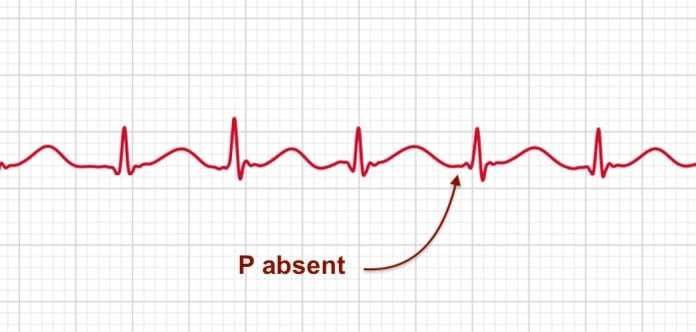
While the Apple Watch’s ECG element offers a remarkable tool for recognizing potential atrial fibrillation, examining transcending the foundational assessment unlocks a universe of intricate capabilities. Deliberate observation of the complete waveform, including details like P wave configuration, PR length, and QRS pattern, obliges a more profound grasp of cardiac biology. Furthermore, reviewing trends over timeline and connecting ECG observations with patient complaints can offer essential insights for more professional examination, whereas it's necessary to be aware of that the Apple Watch ECG is is not meant to be a surrogate for a competent cardiac appraisal.
Until next time