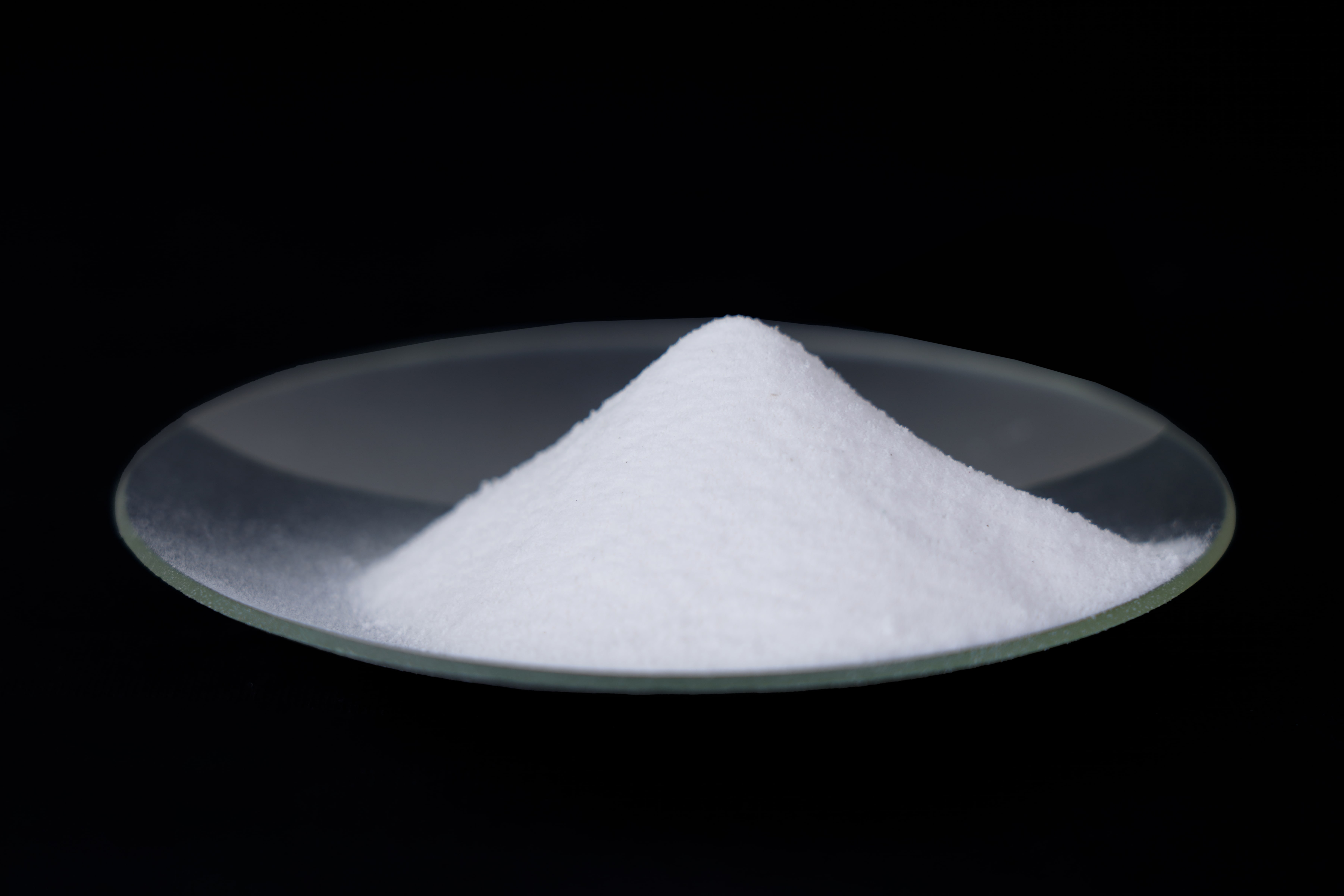
Setting offsilica deposit serves as efficient separating agent frequently applied in various industrial uses, particularly during drink preparation. Originating from the fossilized remains of ancient diatoms, it features a unique complex texture that grants premium cleansing. activated bleaching earth The medium serves by creating a slender sieve layer on a filtering module, absorbing finely suspended solids while letting the fluid through. Opting for the ideal quality of sedimentary filtration aid is paramount for peak operation.
Leveraging Fossilized Diatoms Powder for Separation
Diatomite earth, composed of the fossilized remains of microscopic algae called diatoms, presents a special strategy for purifying various elements. Its structure, a fine network of amorphous silica shells, provides an incredibly considerable surface area. This provides for highly optimal removal of solids from liquid compounds. Deployments range from aqua cleansing and wine generation to recreational water screening and even soil-based applications. Positives include its natural origin, cost efficiency compared to various synthetic alternatives, and its ability to profoundly hold a wide collection of debris.
- Confers superior component removal.
- Can be a earth-friendly choice.
- Fitting for wide-ranging domains.
Processed Bleaching Ore: Qualities and Tasks
Enhanced bleaching earth is a class of natural illite that has undergone specific conditioning to improve its capturing potential. This system typically involves thermal reformation, resulting in a enlarged architecture with a large coverage. Consequently, it exhibits superior aptitude to withdraw contaminants from a multipurpose variety of mixes, finding significant purposes in the detoxification of lipids, waxes, and other carbonaceous compounds. Alongside, its green attribute and affordability contribute to its rising recognition in various industries.
Diatomite vs. Other Filter Aids: Which is Best?
Determining the best separation element for a specific process can be tricky. While bentonite and other replacements exist, diatomite usually presents a persuasive case for its excellence. Against these adversaries, diatomite generally offers improved cleanness and a superior velocity of separating foreign elements. However, the most choice ultimately is based on elements such as expenditure, deployment requirements, and specified achievement quality.
Scientific Principles of Diatomite Filtration
Microshell earth or known as porous earth filtration refining leverages the unique notable structure of characteristic microscopic diminutive algae entities. These or the diatoms, upon or after death, form or create a sedimentary or mineral rock or material composed or built of intricately meticulously porous mesh-like silica silicate shells. This designated porous lattice-like network web provides an incredibly extraordinarily large volume for catching particulate suspended matter or debris from or within liquids fluidic systems, achieving encouraging highly profound exact filtration screening.
Amplifying Purification Performance Through Activated Clay
Maximizing such decolorizing method using upgraded earth presents a useful method for increasing performance. The referred eco-friendly material, taken from soil, possesses distinguished retaining traits that enable it to powerfully clear discolored impurities from textile fibers, thereby lessening dependence on harsh non-organic substances and promoting a greener effect.
Knowing Diatomite Filtration Powder Categories
Deciding on the correct diatomaceous powder type is fundamental for successful cleansing processes. Silica media grades are categorized by their fragment size, regularly expressed in size units. Narrower grades, like FF or Filter-X, offer superb uncloudedness and are ideal for precise liquids, while larger grades, such as Perlite or Celite 500, furnish a superior conduction rate for less operations. Understanding these differences will aid you to increase your clarification benefits and minimize outlays tied with the operation.
Eco-conscious Sourcing of Diatomaceous Earth
The expanding demand for microfossil powder earth necessitates a consideration on eco-friendly sourcing tactics. Traditional harvesting often incorporates significant terrain disturbance and can affect adjacent ecosystems. At this time, forward-thinking organizations are seeking alternatives, such as rejuvenation of previously mined sites, ensuring lowered disruption and defending faunal habitats. Furthermore, transparency in the network is advancing crucial, allowing buyers to select informed resolutions and champion environmentally wise practices. Therefore, responsible governance of sedimentary mineral earth materials is vital for long-term availability and limited environmental effects.
- Curtailed land alteration.
- Rejuvenation of collection sites.
- Advanced transparency in the distribution.
Treated Decolorizing Soil: A Analytical Approach
Assessing a empirical outlook, altered brightening layer represents a singular class of tectosilicate minerals. Commencing, hectorite powder is reactively modified via refinement – typically involving enzymatic intervention – to dramatically strengthen its trapping attributes. These conditioning creates a vast interface with a significant number of negatively charged locations, facilitating the binding of colored particles from aqueous phases. The dynamics mostly involves physical bonds and Van der Waals contacts, bringing about a purer result.
