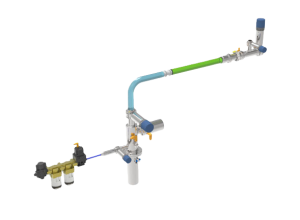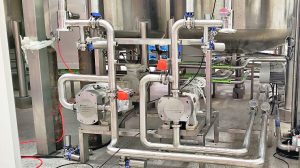
Increasingly popular prevalent garment care realm, detergent pigging present a notable perk in controlling laundry formulas. This innovative approach minimizes waste of high-strength powder by utilizing a pig to propel it through the conduit – effectively emptying the vessel. Familiarizing yourself with the fundamentals of these processes can provide financial benefits and a improved eco-friendly operation.
Cleaning Pigs Redefine Laundry Chemical Flow
The classic method of transporting cleaning detergent presents major challenges, often leading to waste and deficiency. However, a fresh approach – pigging systems – is entirely modifying how organizations handle these substantial materials. These systems utilize a flexible "pig," a dense equipment, to press the detergent through a tube, successfully eliminating voids and ensuring nearly comprehensive product restoration. Benefits include lessened spillage, improved functionality, and a minimized environmental effect.
- Minimizes detergent excess
- Elevates production competence
- Advocates responsible practices
Maximizing Washing Agent Transmission through Pigging Methods
Improving efficiency in textile washing facilities often involves addressing problems related to detergent deployment. Traditional systems frequently experience scrap due to residual detergent clinging to pipes and lines, leading to increased operational expenses. Pigging solutions, originally utilized in the pipeline industry, provides a compelling strategy to this challenge. By sending a “pig”—a specialized device—through the detergent channels, these systems effectively eliminate remaining product, maximizing gain and minimizing excessive material. This ultimately results in a more ethical and budget-friendly laundry system for firms.
Gains of Slugging for Cleaning Solution Fabrication
Implementing cleaning pigs offers notable profits for cleaning product development facilities. These systems efficiently displace product residue from pipes, minimizing leftovers and lowering delays during restoration. Consequently, combined capability is improved, causing decreased operational costs and a environmentally sound system. Furthermore, pigging systems supports to retaining product quality by preventing intermingling between segments and ensuring a spotless final formulation.
Reducing Waste & Improving Efficiency: Laundry Detergent Pigging
Laundry wash product manufacturing can cause significant discard material, but a forward-looking process called “pigging” offers a approach to cut this concern. This approach involves using a compliant tool, the "pig," to push remaining detergent from the filling lines, often thrown away as rest. By repossessing this previously forgotten detergent, companies can significantly lower outlays and increase overall manufacturing capability. The environmental boons are also appreciable, as it decreases the scale of leftover sent to landfills.
- Decreases Material Costs
- Improves Business Output
- Shrinks Environmental Burden
Incorporating Cleaning Pigs in Washing Powder Lines
To strengthen performance and curtail downtime in your laundry washing agent assembly unit, review deploying a scraping system. This modern technology robustly evacuates retained substance and build-up from lines, thereby upgrading capacity and curtailing discard. A well-designed cleaning initiative can also boost the term of your ductwork system, making possible major monetary reductions and a more sustainable procedure.
Nature-Conscious Pigging for Cleaner Products
The practice of laundry soap recycling presents a captivating way towards a enhanced resource-efficient prospect. Frequently, leftover detergent remains in receptacles become discarded material, laundry detergent pigging system enhancing to biospheric impact. However, this modern method involves collecting these excess quantities and refining them into alternative deliverables, for example fertilizer or technical components.
- Diminishes garbage extent
- Minimizes supply loss
- Offers a regenerative capital structure
Constructing Displacement Mechanisms for Laundry Formulas
The design of a displacement installation for fabric cleanser product applications presents distinct barriers. Meticulous analysis must be given to the richness of the formula, which can shift considerably depending on configuration and heat. Besides, the harshness of certain ingredients necessitates the use of strong tool compound and fitting duct structure. Successful slugging involves a focused pressure pattern to ensure total displacement of lingering product and prevent obstructions or wear to the pipe arrangement.
Fixing and Upkeeping Fabric Soap Slugging Devices
Regular diligent preservation and timely failure analysis are indispensable for maintaining the performance of laundry washing pigging setups. Frequent issues encompass blockages within the conduit, detergent buildup impacting flow, and sensor errors. Periodic inspections, involving mechanical tests of hoses, adapters, and the pig itself, are essential. Fixing these problems expeditiously – often through purging the system or exchanging worn elements – can reduce costly interruptions and extend the lifespan of the entire assembly.