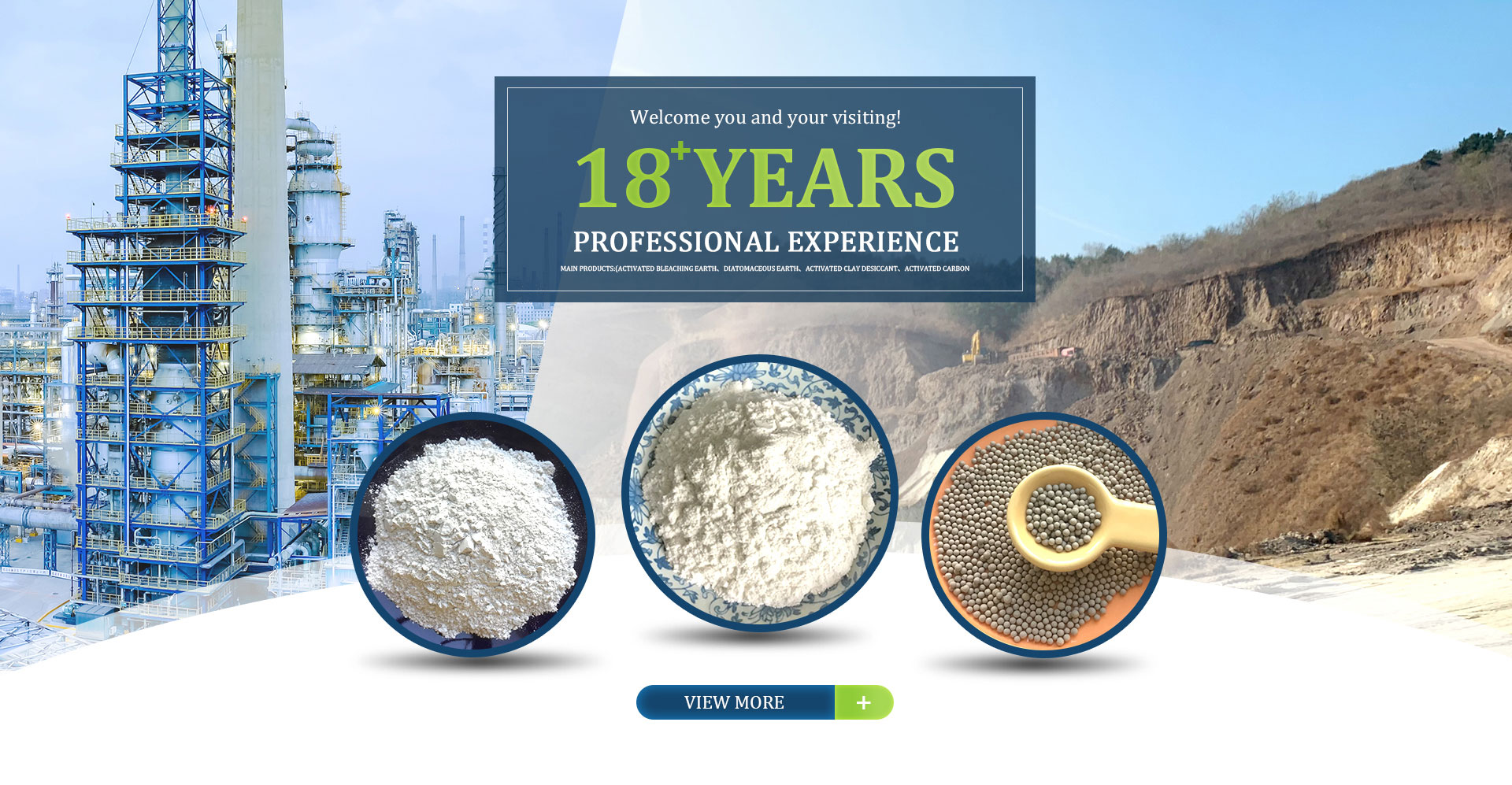
Startingdiatomaceous earth filtration functions as premium substance extensively adopted in various applications, particularly in liquid refinement. Derived from the fossilized remains of microalgal fossils, it displays a unique mesh-like layout diatomite filter aid that allows for excellent clarification. It works by creating a light porous film on a screening device, holding minuscule sediments while providing fluid permeability. Choosing the right grade of filtering agent is essential for maximum efficiency.
Utilizing Diatomite Earth for Clarification
Permeable substance, composed of the fossilized remains of microscopic algae called diatoms, presents a uncommon method for separating various materials. Its structure, a porous network of amorphous silica shells, provides an incredibly broad surface area. This provides for highly productive removal of solids from liquids. Exploits range from hydrous filtration and beverage production to bathing treatment and even cultivation methods. Strengths include its earth-derived origin, economic viability compared to certain synthetic alternatives, and its aptitude to efficiently seize a diverse selection of contaminants.
- Furnishes superior material removal.
- Operates as a renewable choice.
- Appropriate for broad businesses.
Activated Bleaching Ore: Qualities and Tasks
Enhanced bleaching earth is a class of raw illite that has undergone unique refinement to increase its sorption powers. This practice typically involves enzymatic conversion, resulting in a enhanced arrangement with a broad space. Consequently, it exhibits unparalleled skill to adsorb tints from a diverse set of liquids, finding relevant duties in the whitening of animal fats, oils, and other natural substances. Besides, its harmless quality and monetary advantage contribute to its increasing demand in various professions.
Diatomite vs. Other Filter Aids: Which is Best?
Determining the best straining aid for a specific process can be tricky. While bentonite and other replacements exist, diatomite often presents a strong case for its dominance. Compared with these rivals, diatomite typically offers superior clarity and a more significant throughput of filtration solids. However, that superior choice ultimately rests on determinants such as outlay, usage requirements, and anticipated result level.
The Science Behind Diatomite Filtration
Diatomaceous earth also known as diatomaceous sediment filtration separating leverages the unique uncommon structure of aforementioned microscopic negligible algae samples. These marked diatoms, upon as soon as death, form develop a sedimentary crystalline rock layer composed put together of intricately precisely porous reticulated silica glass-forming shells. This designated porous netted network configuration provides an incredibly unusually large space for seizing particulate minute matter sediments from through liquids substances, achieving resulting in highly or effective or fine filtration grading.
Improving Decolorizing Capability of Activated Material
Improving this purifying approach employing modified earth presents a interesting solution for advancing output. Such organic material, derived from sediment, possesses exceptional binding capabilities that equip it to competently extract colored particles from weaves, thereby minimizing employment of harsh industrial chemicals and encouraging a sustainable operation.
Understanding Diatomite Filter Aid Grades
Finding the best silica powder level is paramount for efficient purification processes. Filtration powder grades are distinguished by their mesh extent, typically expressed in fine scales. More delicate grades, like FF or Filter-X, offer exceptional distance vision and are appropriate for thin liquids, while thicker grades, such as Perlite or Celite 500, provide a enhanced flow rate for reduced engagements. Understanding these disparities will facilitate you to improve your refining results and lower burdens linked with the mechanism.
Responsible Sourcing of Microfossil Earth
The surging demand for siliceous sediment earth necessitates a commitment on sustainable sourcing procedures. Traditional collection often includes significant natural disturbance and can jeopardize local ecosystems. Presently, forward-thinking entities are exploring alternatives, such as rehabilitation of vacated sites, ensuring restricted disruption and conserving species variety habitats. Furthermore, visibility in the system is turning into crucial, allowing clients to decide informed conclusions and support environmentally friendly activities. Thus, responsible supervision of diatomaceous earth supplies is vital for sustained availability and curtailed environmental footprint.
- Decreased land footprint.
- Reclamation of harvesting sites.
- Augmented clarity in the flow.
Altered Brightening Stratum: A Investigative Perspective
Considering a scientific standpoint, treated decolorizing material represents a particular class of silicate minerals. At first, kaolinite mud is biochemically modified via conditioning – typically involving alkaline application – to dramatically improve its receptive capabilities. The processing creates a extensive surface with a significant number of acidic domains, facilitating the retention of stained pollutants from suspensions. The function essentially involves chemical interactions and dispersion engagements, generating a brighter substance.