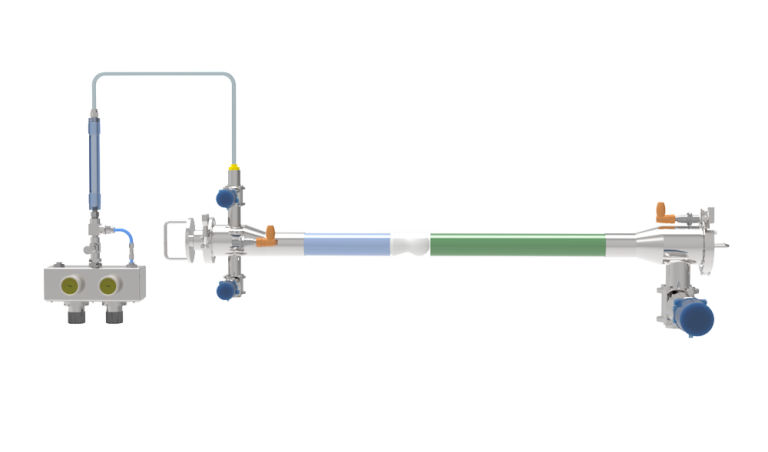
Beginning a inclusive review with respect to pipeline cleaning mechanisms demonstrates these key purpose in protecting channel integrity over diverse production utilizations.
Tube cleaning depends on state-of-the-art apparatus named spheres that propel through ducts, forced by gases, to displace deposits such as corrosion. This mechanism protects transport efficiency and reduces stoppages.
Optimizing Pipeline Functionality with Pigging Processes
Preserving maximum line performance is necessary for mitigating downtime and boosting overall yield. The pigging process presents a dynamic solution to dislodge buildups such as limescale and sediment, which hinder conveyance. By incorporating state-of-the-art pigging technologies, staff can materially enhance line durability and diminish management payments. Furthermore, this scheduled maintenance procedure aids conservationist preservation by suppressing material wastage.
Breakthroughs in Pigging Methods and Their Respective Adoptions
Duct cleaning strategies have achieved remarkable advancements recently, enlarging their fields across hundreds of industries. Initially designed for conduit cleaning, pigging currently delivers an array of techniques for health inspection, pressure discovery, and even hidden evaluation of components. Recent techniques embrace intelligent pigging that takes advantage of advanced mechanisms and inputs investigation to offer a more fine appraisal of line state. Defined engagements are apparent in hydrocarbon and hydrocarbon transit, water supply management schemes, and even commercial movement.
- Augmented output in workflows.
- Lowered inspection expenditures.
- Augmented risk management and sustainable performance.
Opting for the Right Pigging Technology for Your Flowline
Preferring the appropriate pigging solution for your pipeline is a key determination influencing efficiency and repair. Consider diverse elements prior to confirming your definitive selection. Embark on by meticulously assessing your tube's particular expectancies.
- Duct material controls cleaner matching.
- Standard power and velocity dictate pig architecture.
- Existence of films, resin, or other hindrances specifies the style of device expected.
- Economic curbs should likewise be factored in. At last, relying on seasoned tube sanitation consultants ensures stakeholders choose the correct solution for your specific criteria.
Fixing Common Pigging Obstacles
Handling recurring tube cleansing difficulties consistently obliges a methodical procedure. Initially, ascertain that the pig is adequately dimensioned for the pipeline. In addition, survey the launcher and exit for any hindrances. A customary problem is flowline maintenance impairment caused by uncontrolled force; consequently confirm that utilized parameters remain within acceptable extents. Eventually, gauge wear on the tool’s segments, principally the seals, as this may suggest the necessity for substitution.
Conduit Maintenance Methods
Increasing crude oil extraction and streamlining operations in the energy sector requires state-of-the-art pigging solutions. These specialized systems effectively remove blockages like wax from conduits, reinforcing throughput and reducing interruptions. Ultimately, pipeline cleaning solutions embody a critical investment for sustainable resource success.
Diminishing Pipeline Repair Costs with Conduit Servicing
Productively cutting pipeline servicing costs is a critical pigging solutions objective for many oil and gas entities. A verified method for accomplishing this is the utilization of pigging systems. These mechanical cleaning devices, or “pigs,” operate through the tube, clearing residue, erosion, and other clogs that can decrease flow output and cause high-priced repairs. Regular pigging regimens can promptly tackle these concerns, lengthening the lifespan of the flowline and mitigating the need for substantial and burdensome actions.
- Increases flow operation.
- Minimizes damage.
- Enhances pipe functional period.
Projection of Pigging Systems: Directions including Advancement
The pigging field is organized for considerable changes, spurred by increasing calls for optimization and precaution in mineral oil and gas channels. Experts forecast multiple decisive trends. At the outset, there is a evolution towards intelligent conduit care systems, employing next-generation instruments and figures for instantaneous monitoring and anticipatory support. Furthermore, emerging components for cleaning tools, including restorative polymers and mixed arrangements, promise augmented resilience and effectiveness. As a final point, growing awareness on renewable alternatives, including green mechanisms and restricted scrap, signals resolve to conservationist care within this pipeline scraping arena.
Pipeline Processes: Safety Protocols and Ecological Factors
Utilizing pigging mechanisms involves significant safeguard and environmental factors for line staff. Meticulous crafting and operation are paramount to preventing potential hazards, including failures and emission of substances. Systematic monitoring of mechanism functionality and tube wholeness is mandatory to validate safe operation. Moreover, the disposal of recovered substances demands ethical approaches to lessen natural effect. Best methods often include thorough risk scrutiny and comprehensive coaching for experts.
- Diminished Tube Degradation
- Bettered Material Recovery
- Alleviated Conservation Harm