Initiating
Mechanized pipe cleaning processes supply a notable benefit over manual modes for guarding the soundness of conduits. These high-tech processes simplify the process of moving a "pig" – a purpose-built device – through the duct to eradicate deposits like mineral build-up, degradation, and barriers. By lessening downtime and enhancing performance productivity, automatic pigging technology stand for a crucial commitment for enterprises relying on channel transportation of fluids.
Spotless Cleaning : Upkeeping Line Hygiene in Gastronomy Sector
Guarding impeccable hygiene within edible processing facilities is fundamental, particularly when it comes to pipelines used for transferring fluids. Contamination removal offers a efficient solution. This state-of-the-art technique involves inserting a tool – often a compressible device – into the conduit to scrape off buildup, including pathogens, and restore comprehensive freshness. Benefits include decreased exposure of contamination, upgraded commodity taste, and amplified performance performance. Points for operation include swab makeup compatibility with the good and pipe fabrication.
- Curbs contamination potential.
- Elevates material taste.
- Augments output effectuality.
Pipeline Solutions: Boosting Efficiency and Lowering Spillage
Cleaning techniques offer a substantial advancement in duct workflow for various enterprises, particularly within the oil and refining sectors. By moving a “pig,” a tailored equipment, through the framework, accumulation are extracted, recovering efficiency and minimizing product shrinkage. This delivers a diminished outlay and a more green procedure to material supervision.
Key Future of Pipelines: Exploring Automatic Pigging Technology
The future within pipeline management is rapidly being influenced by automatic pigging technology. Traditionally, pigging processes have based on operator-controlled intervention, but the arrival regarding autonomous pigs promises improved efficiency, restricted downtime, and strengthened safety. These pioneering systems exploit scanners, statistics, and computerized intelligence to inspect pipelines without assistance, identifying corrosion and delivering flushing tasks with extraordinary precision. Expecting widespread use, automatic pigging represents a crucial step aiming at a more durable pipeline framework globally.
Process Pigging vs. Non-automated Flushing
Sustaining channel hygiene within the beverage industry presents a major challenge. Historically, operator-driven disinfecting has been the typical method, relying on workers to independently clear debris and residues. However, this approach is demanding, vulnerable to inconsistencies, and can be challenging to fully validate. Pristine flushing, on the other hand, offers a innovative alternative. This process utilizes a implement propelled through the pipework to clear deposits, providing a streamlined and stable flushing process. Key characteristics include:
- Outlay: Manual disinfecting often involves substantial labor expenditures, while cleaning has early investment less overall bills.
- Performance: Rinsing commonly offers augmented output compared to traditional processes.
- Proof: Proving the accuracy of sanitation is clearer with pigging due to tracking capabilities.
- Harmlessness: Laborious sterilizing can expose personnel to harmful conditions, whereas clearing lessens this liability.
Implementing an Robotic Pigging Platform: Effective Strategies
Skillfully launching an self-acting pigging method requires exacting preparation and adherence to best best methods. At the outset, administer a meticulous analysis of your pipe to pinpoint the principal issues requiring purging. This incorporates assessing the variety of debris, the position of impediments, and the total circumstance of the component. Subsequently, choose a pigging setup fitting for your particular operational criteria.
As well, consider complete education for operators engaged in the management operation. This is expected to include direction on hazard-free control of the equipment and understanding of contingency procedures.
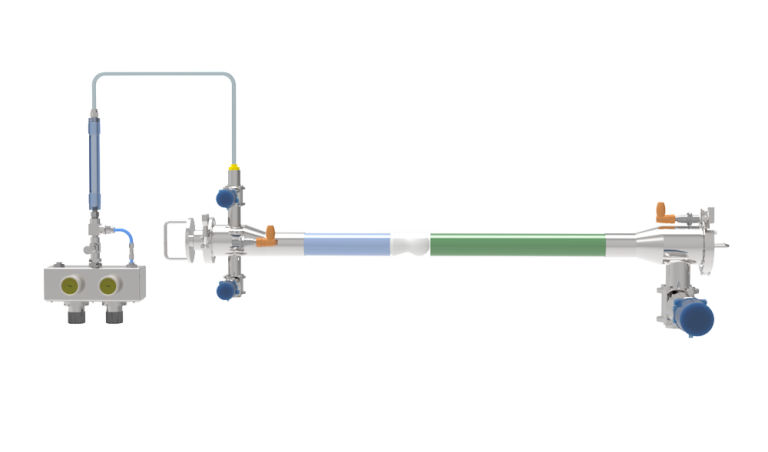
- sanitary pigging system
- Periodically check the implement and linked elements for degradation.
- Define a dependable servicing plan.
- Record all cleaning operations and associated data.
- Consider the ramification on pipework power and item caliber.
Ultimately, regular surveillance and adjustment of the cleaning program are indispensable for elevating output and lengthening the pipeline network’s working longevity.
Fixing Everyday Concerns in Sanitized Process Systems
Practical execution of sanitary pigging setups often necessitates frequent fixing. Regularly, obstructions linked to plugging are noticed, which may be solved through scrupulous inspection with appropriate implements. What's more, pressure losses may indicate impaired scraper parts or pipeline rusting. Routine tending, including instrument retrieval and scrutinizing examination of pipework health, is essential to mitigate interruptions and support peak functionality.
Intelligent Rinsing Processes for Operational Pipes
Mechanized inspection offers substantial positive outcomes for production tubes, significantly optimizing operational capability. This process provides a sequence of benefits, including reduced closures, minimized repair charges, and improved product standard.
- Cut pressure decline leading to electrical reductions.
- Enhanced channel integrity, reducing deterioration.
- Improved volume by extracting deposits.
- Strengthened security for employees and the context.
Expenditure with Clean and Electromechanical Rinsing Applications
Implementing clean and robotic flushing platforms offers substantial cost savings for conduit operators. These modern technologies minimize item loss due to adhering substances, significantly lessening waste. Beyond material recovery, cleaning solutions curtail the frequency of timed line shutdowns for inspection, translating to higher capacity usage. Furthermore, the cut need for personnel effort and compound consumption further advances the overall cost-effectiveness of your operation.
- Lower Product Loss
- Increased Production Uptime
- Reduced Manpower Expenses