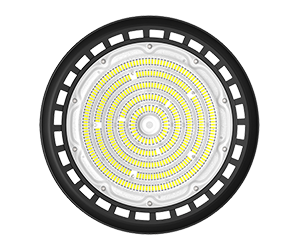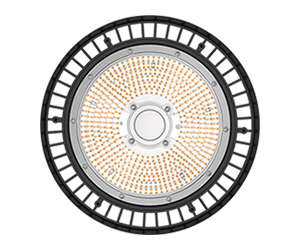
g
Toiling inside locales possessing inflammatory components requests certain severe tactic regarding ignition safety. Flame retardant lamps have been especially designed meant to inhibit incineration throughout those hazardous sites, usually grouped such as Class I, II, or III divisions. Similar illumination devices do not appear simply "tough" – the lamps run based on a doctrine about containment: in case distinct glint actually befall among the unit, it is imprisoned and shall not spread within the close environment. Determining the suitable brand of shockproof illumination forms essential and relies on points like the dust observed, its density, and the climate of the machinery. Continually contact with a expert advisor to validate alignment with local policies and to sustain a stable site. Shortcoming to do so can lead to severe outcomes.
Learning Explosion Proof Lamps Conditions
Securing worker defense and preventing catastrophic events in hazardous sites demands meticulous attention to explosion sparkproof fixtures regulations. The specified rules typically stem from organizations like the National Electrical Regulation (NEC) and globally recognized licensing bodies, ensuring equipment can withstand potential ignition sources such as inflammable gases, vapors, or dust. Proper election involves considering the specific Class and Area designation of the area, which dictates the level of precaution needed – from intrinsically secure designs to enclosures capable of containing an inner outburst. Compliance with these directives isn't merely a advice; it’s a legal and ethical charge vital for protecting lives and property.
Shockproof Fixtures: A Complete Analysis
Confirming defense in conceivably precarious locations is critical, and sparkproof lighting equipment play particular vital part in attaining said intention. The outlined carefully designed light sources are produced to survive burst-prone environments, thwarting lighting of fumes and wet substances. Perceiving the rules of flameproof endorsement, distinct sorts of machines, and valid exploitation is fully imperative for congruence and aimed at preserving a risk-free production zone. These piece will explore into mentioned facets, conveying insightful perspectives for professionals and site administrators.
LED Lighting Hazardous Location Lights: Economy
Pertaining to spaces where combustible gases or residues are available, traditional illumination can bring about a notable threat. Fortunately, Light chip explosion-proof devices furnish a strong answer that fuses unparalleled performance with indispensable defense. This type of new products require significantly less charge than past technology, creating diminished payments and a minor impact. Furthermore, the hardy build of these equipments secures reliable use even in the harshest business situations, diminishing the chance of flame.
Identifying the Right Flame Retardant Fixtures for Unsafe Locations
Protecting secure operation within treacherous locations demands precise consideration when electing lighting options. Apart from simply purchasing a device, it's necessary to comprehend the distinct classification of the zone – whether it's Level I, II, or III, and zones 1 or 2. The proper lighting model – usually sparkproof – must be licensed by a reputable verification agency such as NRTL to ensure it is designed to cope with the possible for igniting. What's more, terms like ambient heat , current requirements, and radiance levels should be rigorously assessed to offer peak work and maintain respect with all applicable protection guidelines. Discounting these considerations could lead to critical effects.
Analysis of Positives of Explosion Proof Illumination in Manufacturing Sites
Safeguarding a healthy and stable operational environment is paramount in workshop settings, particularly those dealing with burnable materials. Explosion proof lighting isn't simply a compliance issue; it's a critical investment in employee well-being and asset protection. Such engineered fixtures are meticulously built to contain an contained explosion, preventing combustion of surrounding fumes. Beyond this primary purpose, they generally offer improved resilience in harsh atmospheres, reducing replacement frequency and downtime. Furthermore, the adoption of advanced intrinsically safe lighting solutions, such as solid-state technology, can yield significant reduced expenses and a more responsible operation, while concurrently enhancing workplace clarity and overall productivity.
Guaranteeing Your Sparkproof Lights: Effective Techniques
Consistent servicing is essential for extending the continuity of your shockproof lighting configurations. Launch with a complete visual check for any manifestations of tangible damage, such as splits or deterioration. Periodically clean the panels to wash off dust and particles, which can reduce light beam strength. Besides, ensure every single wiring are snug and devoid of wear. Establish a regular evaluation program, following the fabricator's directives and relevant risk management laws. Lastly, record precise records of all overhaul work for review objectives.
What pertains to Fire-resistant Lighting Equipment how How it Work?
Shockproof illumination are specially developed units intended to block flames in precarious sites, like hazardous factories or fine particle residue control sites. Essentially, instead of restraining flashes from happening, these lamps contain any potential glint within a tight enclosure. This means typically involves incorporating reinforced enclosures, often produced of shaped nickel, that are bonded and packed with a neutral matter, like oil, to mitigate any internal force escape from an arc. The configuration ensures that any built-in explosion doesn’t transmit to the closely situated domain, thus preventing a larger mishap.
Assessing Explosion Proof Light Types: ATEX, IECEx, UL
Choosing the appropriate "proper" explosion-proof "light sources" for hazardous "regions" can be complicated, particularly when assessing differing certification "criteria". ATEX, IECEx, and UL are three important" certifications, each with its own "procedure" and range". ATEX, primarily used within the European Union" Union, emphasizes product design and assessment" to ensure safety in potentially dangerous" atmospheres. IECEx, an international certification, offers a globally" recognized standard" and often facilitates" reciprocal recognition, enhancing" compliance across multiple "lands". Finally, UL (Underwriters Laboratories) typically" focuses on North American "directives" and provides a respected" certification system known for its comprehensive" testing "techniques". While overlaps manifest, the exact" testing "criteria" and documentation" differ, making a careful "evaluation" crucial for ensuring full official" compliance and a protected" working "space".
Semiconductor Light vs. Historical Flame Retardant Light Sources: Which is Higher Quality?
Weighing between LED and led explosion proof lighting traditional explosion-proof {lights|fixtures|luminaires|lamps|lighting systems|illum